

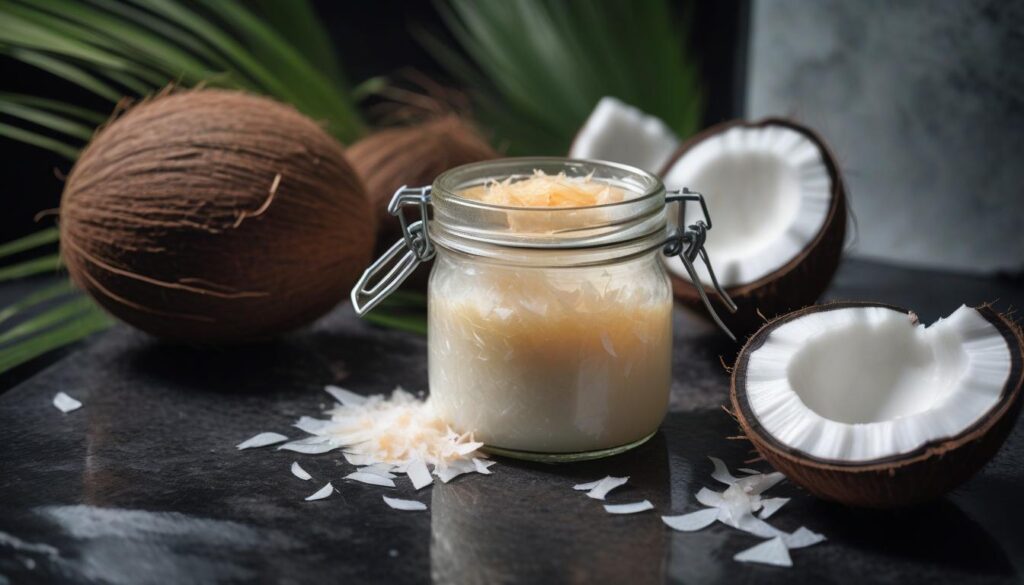
Understanding Hot Processed Virgin Coconut Oil
Hot processed virgin coconut oil is a type of coconut oil extracted from the fresh meat of mature coconuts using heat. Unlike cold-pressed coconut oil, which is produced by mechanical pressing without heat, hot processed virgin coconut oil involves applying heat to facilitate extraction. This method yields a higher amount of oil and often results in a distinctive flavor and aroma that is characteristic of traditional coconut oil.
The process of hot processing begins with shredding the coconut meat, which is then subjected to heat to extract the oil. This can be achieved through various techniques, such as boiling or roasting the coconut meat. Once the oil is separated, it is filtered and purified to remove any remaining impurities. The application of heat not only aids in extracting the oil but also impacts its chemical structure, contributing to its unique properties.
Hot processed virgin coconut oil boasts a rich composition of medium-chain fatty acids, primarily lauric acid, which is known for its antimicrobial and antiviral properties. It has a melting point of approximately 24-25°C (75-77°F), making it solid at room temperature in cooler climates and liquid in warmer environments. This oil also has a relatively long shelf life, attributed to its stability and resistance to oxidation.
Historically, hot processed virgin coconut oil has held significant cultural importance in many tropical regions, particularly in Southeast Asia and the Pacific Islands. In these communities, it has been used not only as a dietary staple but also for medicinal, cosmetic, and ceremonial purposes. The traditional methods of oil extraction passed down through generations underscore the deep-rooted cultural heritage associated with this versatile oil.
In summary, hot processed virgin coconut oil stands out for its distinctive production process, beneficial properties, and historical relevance. Its unique fatty acid profile and stability make it a valuable addition to various culinary and health applications, reflecting its enduring significance across different cultures.
Health Benefits and Uses of Hot Processed Virgin Coconut Oil
Hot processed virgin coconut oil is renowned for its rich nutritional profile, making it a valuable addition to both dietary and wellness practices. One of the key components of this oil is medium-chain triglycerides (MCTs), which are known for their ability to be rapidly absorbed and utilized by the body as a quick source of energy. Additionally, lauric acid, a saturated fatty acid found abundantly in hot processed virgin coconut oil, boasts significant antimicrobial properties, helping to combat various pathogens.
Scientific studies have highlighted the potential health benefits of hot processed virgin coconut oil. For instance, research indicates that the MCTs in this oil may help in boosting metabolism, which can contribute to weight management. Furthermore, it has been shown to support heart health by increasing levels of high-density lipoprotein (HDL) cholesterol, commonly known as “good” cholesterol, and potentially reducing low-density lipoprotein (LDL) cholesterol levels.
The antioxidants present in hot processed virgin coconut oil also play a crucial role in neutralizing harmful free radicals in the body, thus helping to reduce oxidative stress and inflammation. This can have a positive impact on overall health, including improved skin and hair health. For skincare routines, this oil can be used as a moisturizer, providing hydration and protecting the skin barrier. It is also effective in treating dry scalp and dandruff when used as a hair care treatment.
In the culinary world, hot processed virgin coconut oil is versatile and can be used in various recipes. Its high smoke point makes it suitable for cooking at high temperatures, such as frying and baking. Additionally, it can be added to smoothies, coffee, or salads to enhance flavor and nutritional value.
Despite its numerous benefits, it is important to use hot processed virgin coconut oil in moderation. Excessive consumption may contribute to high calorie intake, which can offset its health benefits. Consulting with a healthcare professional can provide personalized guidance on optimal usage based on individual health needs and conditions.